Healthcare’s New Superpower: Translation The most valuable person in the room may be the one who speaks everyone’s language.
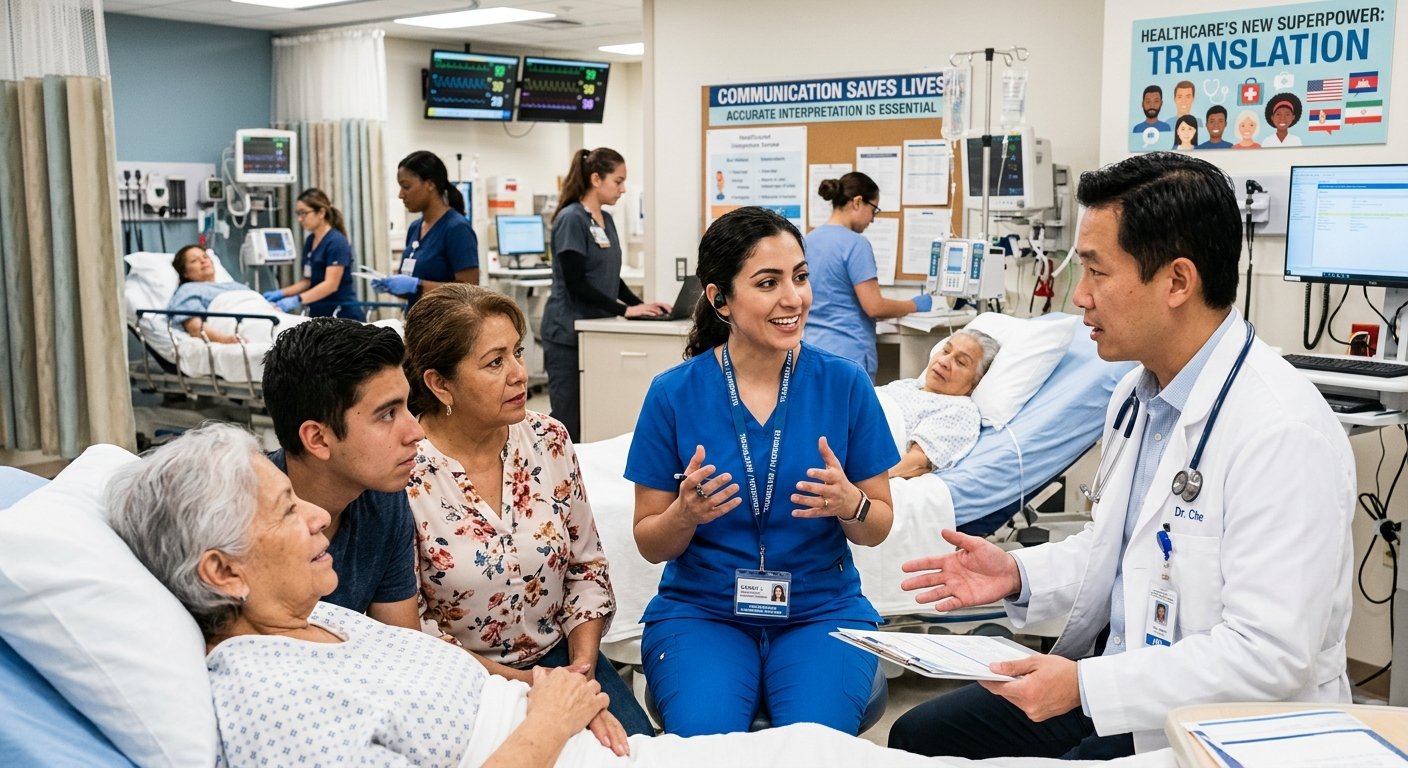
Hook: The most valuable person in the room may be the one who speaks everyone’s language.
In the modern healthcare ecosystem, complexity is the only constant. Clinical breakthroughs, regulatory shifts, digital transformation, and financial pressures collide in a daily storm of competing priorities. Yet, amid this turbulence, a new archetype is emerging — one that doesn’t just survive the chaos but harnesses it.
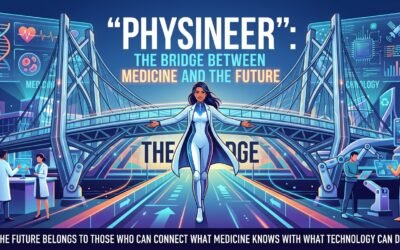
We call this individual the Physineer.
The Silent Crisis of Disconnected Dialects
Healthcare organisations are rich with specialised expertise — but each discipline operates in its own silo, speaking a unique language that others struggle to comprehend. The result? Misaligned strategies, failed implementations, and burned-out teams. The gap between what is clinically possible, technologically feasible, and financially viable has never been wider.
The cost of this linguistic divide is measured not only in dollars but in patient outcomes, staff morale, and lost innovation. Until now, we’ve accepted this fragmentation as inevitable. It is not.
Four Disciplines, Four Dialects
Physicians
Speak: the language of medicine — evidence, outcomes, risk, and the art of healing.
Engineers
Speak: the language of systems — architecture, workflows, reliability, and scalability.
IT Professionals
Speak: the language of technology — data, interoperability, cybersecurity, and digital experience.
CFOs
Speak: the language of capital — ROI, margins, investment, and sustainable growth.
The Physineer: The Multilingual Bridge
The Physineer speaks all of these languages well enough to connect them. Not as a superficial generalist, but as a deeply fluent translator who respects the nuance of each domain while weaving them into a coherent strategy.
This is not about knowing a few buzzwords. It’s about operational bilingualism — the ability to interpret clinical needs for engineers, to translate technical constraints for executives, and to align financial goals with patient-centred innovation. The Physineer turns discord into dialogue.
Why Translation Is the New Strategic Imperative
- Speed to execution — When teams understand each other, decisions are faster, handoffs are smoother, and projects move from whiteboard to ward without friction.
- Innovation with impact — The most brilliant AI algorithm or clinical pathway is useless if it doesn’t integrate with existing workflows and budgets. Translation ensures innovation is adopted, not abandoned.
- Financial & clinical alignment — The Physineer bridges the gap between cost efficiency and quality care, proving that they are not opposing forces but complementary levers.
- Resilience and agility — In a crisis (and there will always be a crisis), multilingual leaders are the ones who can synthesise information, communicate clearly, and mobilise cross-functional teams instantly.
The Future Belongs to the Connectors
Healthcare no longer has the luxury of monologues. The complexities of modern medicine demand a new kind of leader — one who can sit with the surgeon, the data scientist, the CFO, and the patient, and translate each perspective into a shared vision.
✦
The Physineer is not a nice-to-have. It is the strategic imperative for any organisation serious about delivering high-value, human-centred care in a digital age.
Article 4 — Healthcare’s New Superpower: Translation
Published by [Your Organisation Name] — Leading the conversation at the intersection of clinical excellence, technology, and business strategy.