Prof. Dr. Ihab Osman: When Leadership Means Knowing When to Step Aside
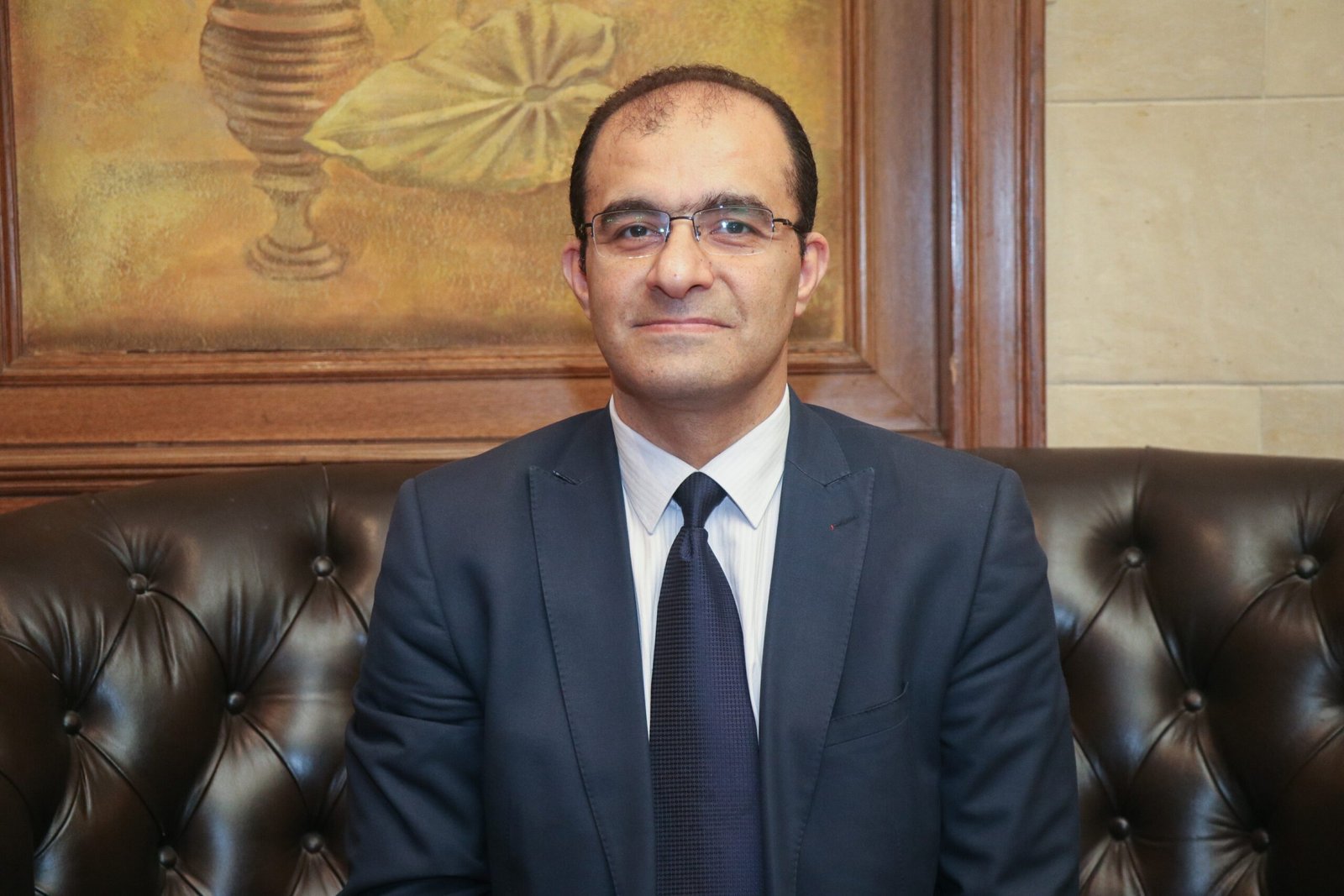
Prof. Dr. Ihab Osman stands as one of Egypt’s pioneers in
advanced andrology medical and surgical services, particularly in Cairo.
Through years of clinical practice, academic contribution, and professional leadership,
he has played an important role in advancing the field of andrology and contributing to
the development of specialized medical and surgical care.
Yet, perhaps one of his most important contributions extends beyond the operating room
and the clinic.
Prof. Dr. Ihab Osman has also been a strong advocate of
clinical governance — the principle that healthcare leadership must be
built around quality, patient safety, accountability, professional standards, and
continuous improvement.
His career demonstrates that excellence in medicine is not simply about technical
expertise; it is about creating systems that protect patients and strengthen the profession.
The Leadership Lesson That Surprised Many
What truly deserves recognition, however, is the example he recently set in
corporate governance and professional leadership.
After serving as Chairman of the Andrology Scientific Association,
one of the leading and historically established professional associations in the field,
Prof. Dr. Ihab Osman chose to step down from the chairmanship and create space
for the second generation of leaders.
This decision may appear simple, but in reality, it represents one of the most difficult
tests of leadership.
Leadership is often associated with gaining authority, building influence, and remaining
at the top. But true institutional leadership is also about knowing when to transfer
responsibility, empower the next generation, and put the sustainability of the institution
above personal position.
By voluntarily stepping aside, Prof. Dr. Ihab Osman demonstrated a principle that lies
at the heart of modern corporate governance:
“The institution must be bigger than the individual.”
His decision sends an important message to professional associations, healthcare
organizations, hospitals, and medical institutions across Egypt and the region:
succession is not a sign of weakness; it is a sign of institutional maturity.
Walking the Talk
There is often a gap between discussing governance and actually practicing it.
Many leaders speak about succession planning, empowerment, sustainability, and
second-generation leadership. Far fewer are willing to personally implement these
principles when the time comes.
Prof. Dr. Ihab Osman has demonstrated that the leader should walk the talk.
His transition creates an opportunity for younger professionals to contribute new ideas,
assume greater responsibility, and shape the future of the profession while benefiting
from the experience and legacy of those who came before them.
This is precisely what good governance should achieve:
continuity without dependency, renewal without losing institutional memory,
and change without sacrificing standards.
A Message Beyond Andrology
The lesson from Prof. Dr. Ihab Osman extends well beyond the field of andrology.
Egyptian healthcare institutions today need a new generation of leaders who can combine
clinical excellence, ethical leadership, clinical governance, corporate governance,
innovation, and institutional responsibility.
The strongest organizations are not those that depend permanently on one charismatic leader.
They are organizations that successfully build systems, successors, and sustainable
institutions.
Prof. Dr. Ihab Osman’s decision provides a powerful example of this philosophy.
His legacy, therefore, should not be measured only by his contribution to advanced
andrology services or by his professional achievements. It should also be measured by
his willingness to give the next generation the opportunity to lead.
That is leadership.
That is governance.
And, most importantly, that is walking the talk.
Thank you, Prof. Dr. Ihab Osman, for reminding us that sometimes the
strongest statement a leader can make is not:
“I will remain in charge.”
But rather:
“It is time for the next generation to lead.”
Prof. Dr. Khaled Samir